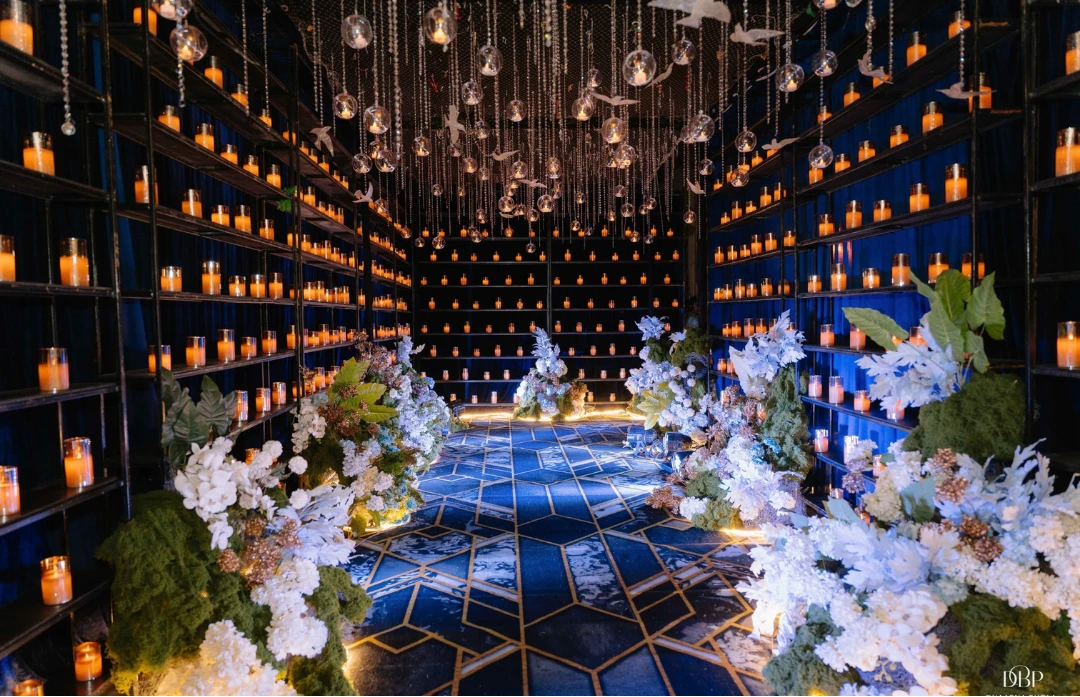
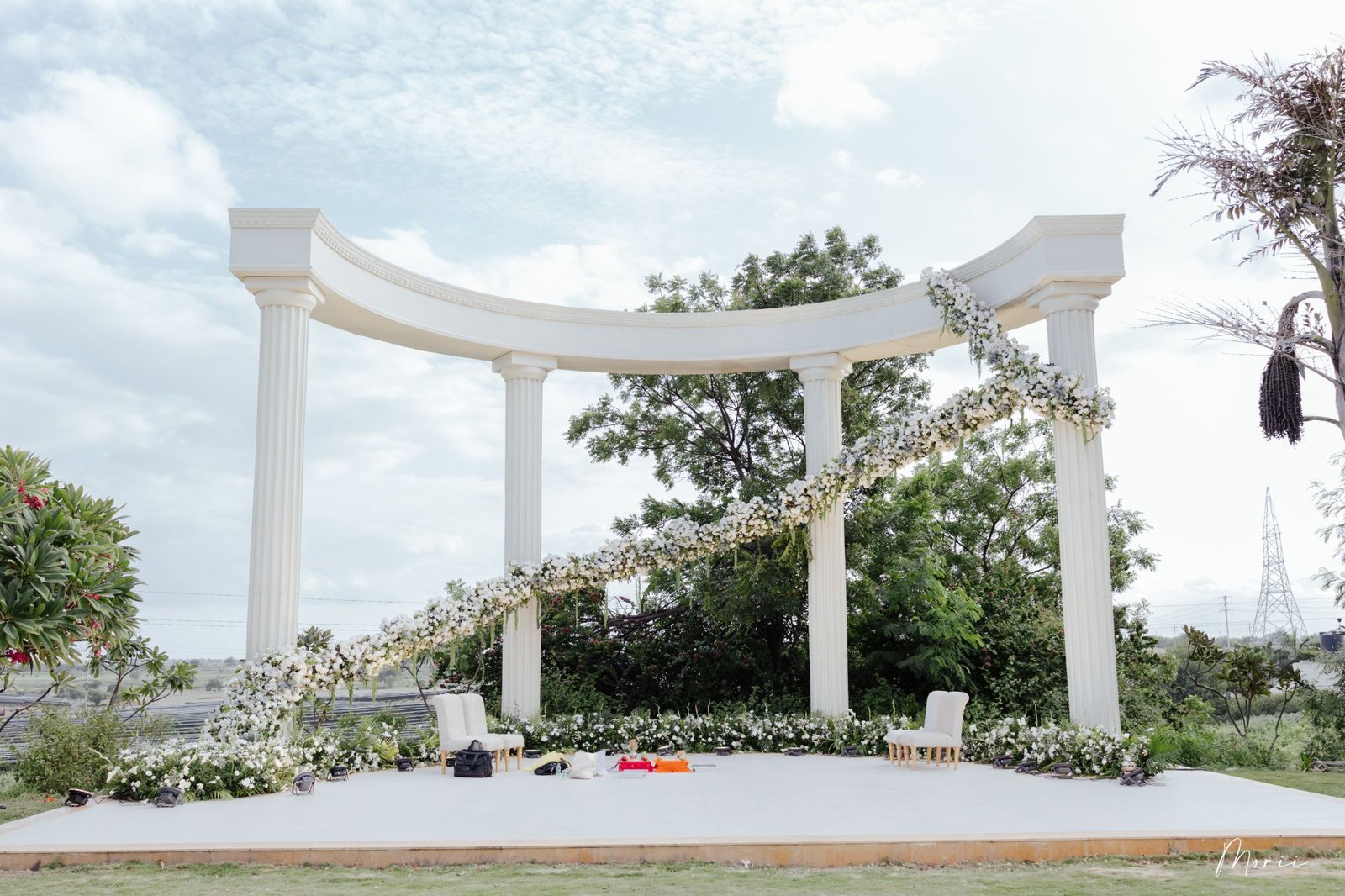
The best destination wedding places in India are the ones that match your months, your guests' journeys and the mood you want. Beaches, palaces, hill stations, backwaters and vineyards each suit a different wedding. Compare them by season, travel and scale, not by popularity. Gātha plans destination weddings across India from Pune.
Best destination wedding places in India: why a ranking misleads
The best destination wedding places in India depend on who is travelling and when. A palace in the desert is a fine setting in the cool months and a hard one in the hottest weeks. A beach is a joy at dusk and a washout in the monsoon. A ranking that ignores the guest list and the calendar is a list of photographs.
This guide does it differently. It groups places by the kind of wedding they suit, gives the conventional season for each, and says plainly what to check. It does not name properties and it does not quote costs. For costs, read the destination wedding cost in India page, and for the wider decision process, destination wedding in India.
Use the table first, then the notes under each setting. Tick the rows that fit your months and guest list, and visit or review two places in detail.
A decision table by setting
The table is deliberately general. It carries no distances, prices or capacities, because those depend on the property and the day. Treat each entry as a prompt for a question.
| Setting | Places to look at | Season note | Guest travel | Suits |
|---|---|---|---|---|
| Beach | Goa, Alibaug, the Kerala coast | Monsoon from about June to September is difficult for outdoor events | Direct flights to Goa from several cities; road for Alibaug | Relaxed, outdoor, evening-led weddings |
| Palace and fort | Udaipur, Jaipur, Jodhpur, Jaisalmer | Summer heat is intense; the cooler months suit outdoor ceremonies | Flights to a few cities, then road transfers | Grand, formal, heritage-led weddings |
| Hill station | Lonavala, Mahabaleshwar, Mussoorie, Himachal | Monsoon mist and rain; cooler air for much of the year | Road, often on winding hill routes | Weekend weddings with a cool, scenic setting |
| Backwaters | Kerala | Heavy rain in the monsoon months | Flights, then transfers that can be long | Intimate, water-edge weddings |
| Vineyard and countryside | Nashik and similar open estates | Monsoon limits outdoor plans | Road and rail from Mumbai and Pune | Open-lawn weddings with room to spread out |
| River and forest | Rishikesh, Jim Corbett | Check monsoon and winter for each | Long road transfers after a flight or train | Small groups seeking a retreat feel |
Planning a wedding of Rs 30 lakh or more? Share the shape of your celebration and the team will read it personally.
Begin your application →Beaches: Goa, Alibaug and the Kerala coast
A beach wedding is decided by three things you can check on a visit: where the sun sets, how the tide behaves and who else has access to the sand. Ask whether the stretch you want is private to the property for your event or open to the public, and confirm any rules about sound, structures and late hours with the venue.
Goa has the widest range of settings, from open sand to coastal gardens and heritage houses. Destination wedding in Goa sets out the season, the guest stay and the questions to ask. Alibaug suits Mumbai-based groups who want the sea within a road or ferry journey. Kerala's coast mixes sand and lagoon and needs a longer guest journey.
Plan the ground carefully. Stages, flooring and tables on sand need a base, and heavy decor needs anchoring against wind. Light and sound travel differently by the water.
Palaces and forts: Rajasthan
Rajasthan's heritage properties give a wedding scale and formality that few other settings match. The trade-off is that heritage buildings come with their own rules about what can be built, hung or lit, and how loud music may be. Ask for these rules before you design anything.
Guests usually fly into one of a few cities and drive onward, so the journey is longer than for a coastal or hill wedding. The cool months suit outdoor ceremonies and the summer heat can limit daytime events. Each city has a different character, and the page on destination wedding in Rajasthan goes through the cities one by one, Udaipur and Jaipur among them.
A palace wedding often involves a baraat, a procession or a set of rituals that need open space. Check that the property can host them, and plan the timings around the muhurat and the property's schedule.
Hill stations: Lonavala, Mahabaleshwar and the Himalayan foothills
A hill station gives cool air, views and a sense of getting away. The cost is the road. Hill routes are slower and winding, vehicles for decor and sound take longer to arrive, and rain and mist can close a plan quickly. Choose a hill setting when most guests can travel by road in one day and the programme has a covered alternative.
Lonavala and Mahabaleshwar are the Maharashtra options, reached by coach from Mumbai and Pune. Mussoorie and Himachal are in the Himalayan foothills, with longer journeys and their own weather. The pages on Lonavala and Mahabaleshwar set out the season, the road and the rain plan for each.
Backwaters, vineyards and rivers
Kerala's backwaters give a wedding a water-edge setting, with boats, lagoons and green banks. The logistics are different from a hall. Moving guests, food and decor across water takes more time, and the properties are usually smaller. Rain is heavy in the monsoon months, so choose dates with care. The pages on destination wedding in Kerala go further.
Vineyard and countryside estates, such as those around Nashik, offer open lawns and long evenings, and they are close enough to Mumbai and Pune for a coach journey. They suit larger lawn-based weddings, with questions around alcohol service and the number of rooms on site.
Rishikesh and Jim Corbett suit small groups looking for a retreat. Both are some distance from a major airport, so guest journeys are long, and both are near places with their own rules on sound and lighting. Ask the venue for those rules in writing.
A simple scorecard for two shortlisted places
When two places are close, score them. Give each a mark from 1 to 5 on the points below, add a note for any score of 2 or lower, and compare the totals together with the family.
- Season fit: how well do the months you can use suit the place?
- Guest journey: how many legs, and how hard are they for the oldest guests?
- Mood: does it feel like the wedding you describe?
- Scale: can it hold your guest list and number of nights?
- Rain or heat plan: is there a covered or cooled alternative that the property owns?
- Vendor access: can your caterer, decorator and sound team work there?
The scorecard will not make the decision for you. It makes the disagreement visible, which is usually where a family discussion needs to go.
Where Gātha fits
Gātha is a boutique wedding planner and atelier in Pune, Maharashtra. It plans celebrations across India and for families abroad, and it takes on a limited number of weddings each year. This guide describes how a Pune-based team approaches choosing a place. It is not a record of weddings in each place named. Gātha does not offer venue booking on its own. It plans the whole wedding, from the first site comparison to the last function.
The work suits weddings where the overall investment is Rs 30 lakh or more. The planning fee starts at Rs 2,00,000 for weddings of Rs 30 to 60 lakh, Rs 3,00,000 onwards for Rs 60 lakh to 1 crore, and Rs 5,00,000 onwards for Rs 1 crore and above. If you would like the team to look at your dates and shortlist, send the application form. Every enquiry is read personally, and the team replies within two working days.
Questions people ask
Keep reading
Updated 2026-11-05