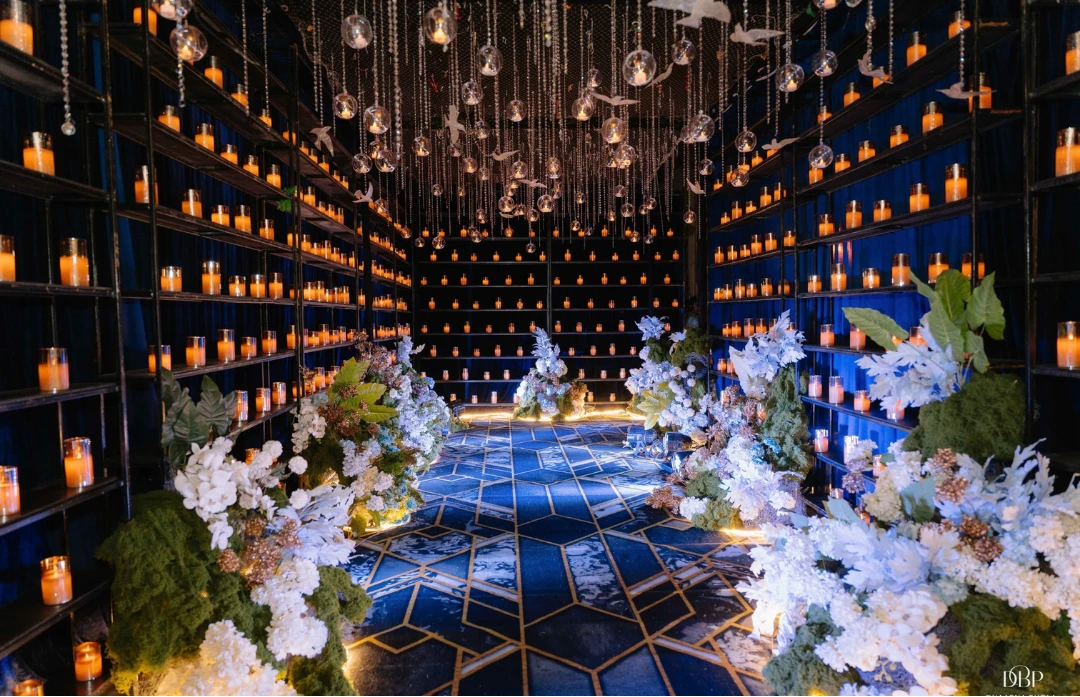
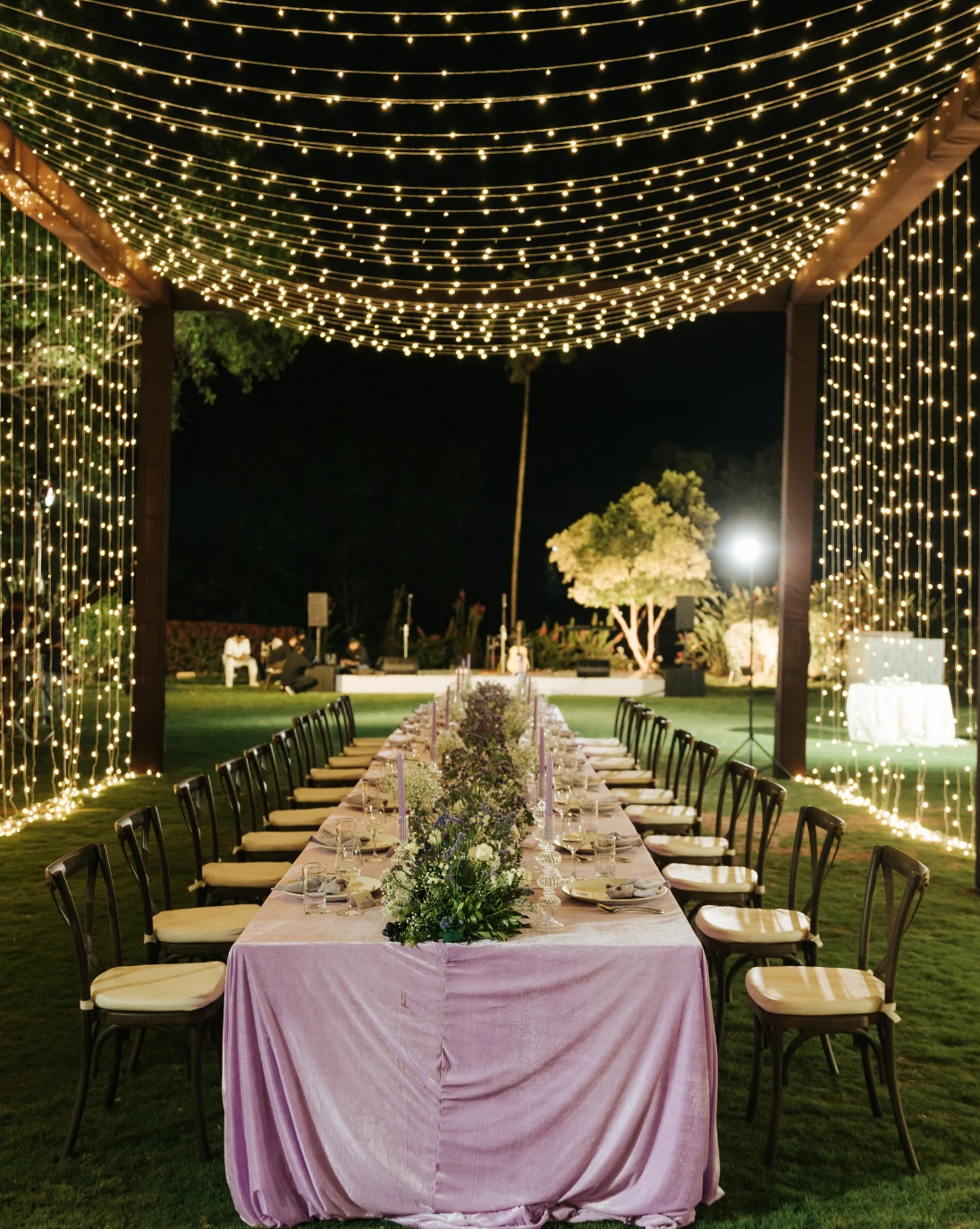
A wedding decorator in Mumbai has to design around urban limits: short load-in windows, shared venues, lifts and loading bays, power capacity and traffic. Gātha, a Pune-based wedding atelier, plans for this by fabricating in advance, fixing an approved drawing, and scheduling installation against the venue's real access times. The team travels for site visits and reviews by video in between.
Why a wedding decorator Mumbai venue needs is a scheduling question first
Choosing a wedding decorator Mumbai venues will accept is less about style than about execution. A city hall, club or hotel ballroom is often used by other events, so the time to build a stage and dress a room can be short, and the time to clear it after the function can be shorter. A design that looks right in a drawing but needs more hours than the venue allows will fail on the day.
Gātha is a boutique planner and atelier in Pune, Maharashtra. It designs décor for families in Mumbai as well, working with a travelling team, scheduled site visits and virtual reviews. This page covers the constraints that shape a Mumbai design. For the design process itself, the Pune décor page explains moodboards, 3D layouts and approvals in detail, and this page does not repeat it.
The limits of an urban venue
Before any design is drawn, the team needs the venue's real conditions. These are the questions that decide what can be built.
- Access: how large a vehicle can reach the entrance, which hours it may enter, and whether a service lift or a staircase is the only way up.
- Time: how long the room is available before the function, and how long after it before the next booking.
- Structure: where the ceiling allows hanging points, and what weight they can carry.
- Power: how much electrical load the room supplies and whether lighting needs its own generator.
- Rules: sound limits, finishing times, and any restriction on flame, smoke effects or open decoration.
- Shared spaces: whether lobbies, corridors and entrances belong to the family or to the venue.
Written answers to these, collected on a site visit, turn a concept into something buildable.
Planning a wedding of Rs 30 lakh or more? Share the shape of your celebration and the team will read it personally.
Begin your application →Fabricate in advance, install on a fixed schedule
The usual answer to a short window is to build off site. Structures, backdrops, panels and installations are made ahead of time, tested as an assembled piece, then moved to the venue in sections and fitted. What remains for the venue is fixing, dressing and lighting, which is a far shorter job than building from scratch.
Flowers work differently. They are perishable, so floral work is planned as late as the schedule allows and arranged on site or close to it. A good plan states which elements are made early and which are made late, and who holds the keys to the room at each stage.
A typical execution sequence
| Stage | What happens | What to confirm |
|---|---|---|
| Site survey | The team measures the room, checks access, power and hanging points. | Written venue rules and contact for the on-site manager. |
| Design approval | The family signs off layouts, palette and floral and lighting plans. | The approved drawing is the build reference. |
| Fabrication | Structures and installations are made away from the venue. | A completed assembly before transport. |
| Load-in | Sections arrive and are fitted within the venue's access window. | Vehicle timings, lift use and crew entry. |
| Dressing and lighting | Flowers, fabric, lighting and signage are finished and checked. | A walk-through with the family before guests arrive. |
| Function and clearing | The team stays on site; installations are removed after the event. | Venue clear-down time and who supervises it. |
How approval works when the family is in Mumbai
Design is reviewed through moodboards, a palette and 3D layouts, as it is for every Gātha wedding. For Mumbai families, the team schedules site visits at the shortlisted venues and holds the in-between reviews by video, using digital drawings so nobody has to travel for every revision. Changes are collected, redrawn and shown again. Approval is given on the final layout, and only then does fabrication begin.
This matters in a city because changes late in the process are expensive in time, not just in money. A drawing that is approved late leaves less time to build, and the venue's window does not move. If something must change after approval, the team says plainly what it affects.
Weather, traffic and the city calendar
Mumbai has a heavy monsoon from about June to September. Outdoor and terrace functions in those months need a covered plan, and vehicles carrying installations can be delayed by flooded or slow roads. In any season, city traffic affects when large vehicles can move and how long a delivery takes, so ask the venue when trucks may enter and plan the crew's arrival around it, not around the clock on the invitation.
Wedding dates also fall in busy periods when venues, florists and crews are stretched. Booking the date and the décor team early gives the production schedule room to breathe. Six to twelve months ahead is ideal for a full wedding, and peak dates are often closed a year ahead.
Questions to ask a Mumbai décor team
- How much of the décor is made before it reaches the venue?
- What is the load-in plan, and how many hours does it need?
- Has the team seen this venue's loading route and lift?
- Which elements depend on the venue's power, and is a generator in the plan?
- When are the flowers delivered, and how are they kept fresh until the function?
- What is the plan if the venue changes the access window?
- Who stays on site during the event, and who clears the space afterwards?
A team that answers these with specific times and names has thought about the day. One that answers with a general promise has not.
How this fits with planning
Décor schedules only work when they sit inside the whole plan. If you are also looking for a planner, the Mumbai wedding planner page explains how a Pune-based team works with Mumbai families. Examples of finished work are on the portfolio, and the services page lists everything the team does, including décor and experience design.
Venue, décor and vendor costs sit inside the family's own budget and are shown transparently. Gātha's planning fee starts at Rs 2,00,000 for weddings of Rs 30 to 60 lakh. It does not offer venue booking on its own, decorate wedding cars, or take weddings under Rs 30 lakh in total. To begin, use the application form; the team replies within two working days.
Questions people ask
Keep reading
Updated 2026-10-30