A destination wedding in Mahabaleshwar is a hill-station wedding in the Western Ghats, within road reach of Pune and Mumbai. The cooler months suit open-air ceremonies, while the monsoon brings heavy rain and mist. Planning centres on the winding approach road, where guests stay and a weather plan for every function. Gātha coordinates this through remote reviews and an on-ground team.
What a destination wedding in Mahabaleshwar involves
A destination wedding in Mahabaleshwar is held in the hills of the Western Ghats in Satara district, with the cooler air and green surroundings that draw families away from the plains. Guests from Pune and Mumbai can both come by road, though their journeys are not the same length, and the nearby town of Panchgani can be part of the same plan for stays and venues.
The feature that sets it apart is the road. The place is reached by hill roads with bends, and the last stretch to a property can be narrow. That affects how guests arrive, how vendors load in and how long every movement takes on the day. Time that would be minutes in a city should be planned in generous blocks here.
Seasons: cooler months, monsoon and mist
The cooler months, after the monsoon, are the usual choice for open-air ceremonies. Evenings turn cold in the hills, so a late function needs warm layers for guests, a plan for heating where the venue allows it, and lighting that does not leave guests standing outside for long.
The monsoon, roughly June to September, brings heavy rain and mist to the Western Ghats. Rain can be continuous, visibility on the road can drop, and damp affects fabric, flowers and electrical equipment. An outdoor ceremony in those months needs a full covered plan, and many families choose another date. The green landscape is the reason people like the hills in the monsoon, and the weather risk is the price of it.
In any season, ask the venue what the rain plan is for each function, including the smaller ones before and after the main ceremony.
Planning a wedding of Rs 30 lakh or more? Share the shape of your celebration and the team will read it personally.
Begin your application →The road: timing, bends and guest comfort
Plan arrivals in daylight where possible. A winding hill road after dark, or in mist, is tiring for drivers and unpleasant for passengers, and some guests are prone to travel sickness on bends. Stagger arrivals over the day, tell guests how long to allow, and hold the first function until the main group has had time to settle.
With 100 or more guests, shuttles from a fixed pick-up point in Pune and another in Mumbai are easier to run than individual cars, and they keep the number of vehicles on narrow lanes down. Ask the venue about parking, whether large buses can reach the property, and what the approach road is like on weekends and holidays.
Gātha's travel desks and guest relations team handle this part: arrivals, transport and the return timetable.
Where guests stay: the accommodation spread
Hill properties are often spread out, and a single location rarely sleeps every guest. Expect to split guests across more than one property, with the main function at one of them. Every split creates a shuttle schedule, a second check-in and a second set of room lists.
Decide early who stays at the main venue, usually the immediate family and elders, and who stays elsewhere. Ask for a room block with named dates, find out how the properties are linked by road, and put the shuttle times on one printed schedule in every room. Gātha's check-in desks and room coordination exist for this, and a welcome hamper sets the tone on arrival.
Ceremony, décor and the weather plan
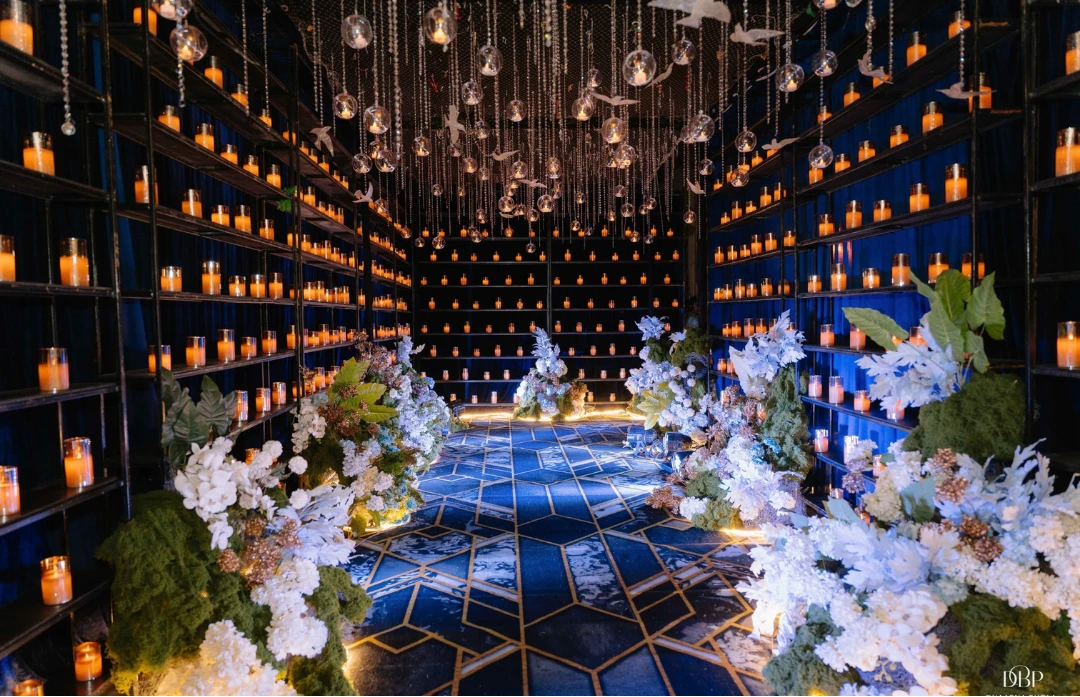
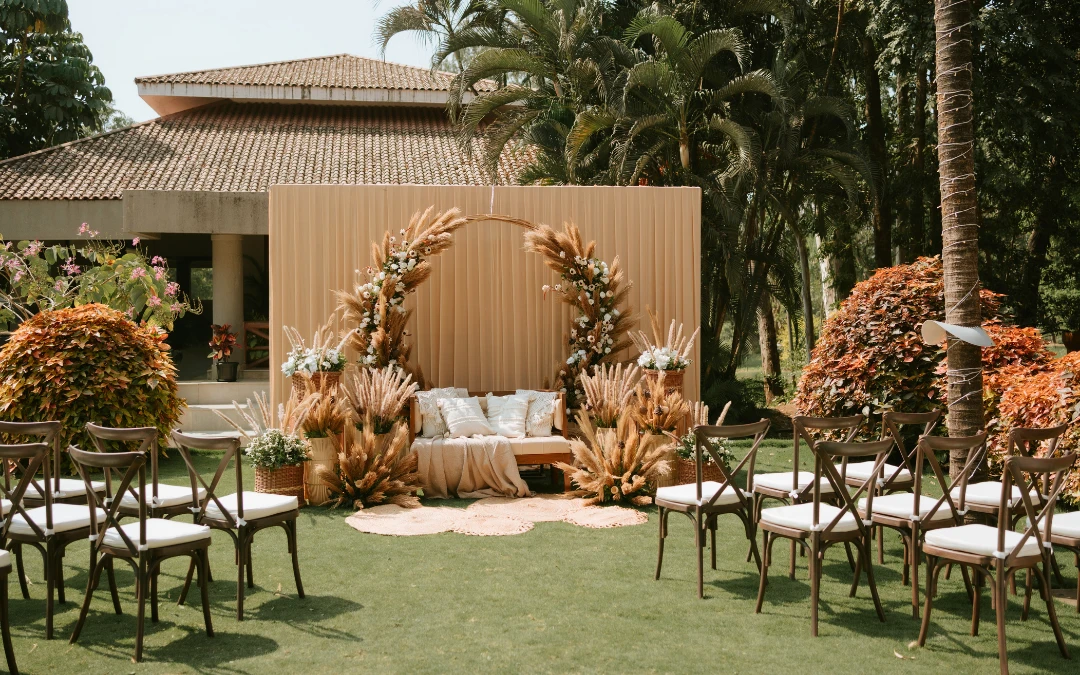
Design every function with a wet and a dry version. A lawn ceremony can have a covered or indoor alternative with the same layout, so the décor, seating and stage move without being redrawn. Paper and lightweight signage suffer in damp air, and the floral and lighting plan should allow for that. On a grey, misty evening, lighting becomes the main source of atmosphere.
Gātha's décor and experience design covers moodboards, palettes, 3D layouts, floral design, lighting and stage production. For a hill wedding, ask to see both the wet and the dry layout before approving the design.
Vendors and equipment on a hill road
Everything the wedding needs arrives by road: décor structures, stage, sound, lighting, kitchen supplies, flowers and artists' equipment. Ask the venue where trucks can stop, what size of vehicle the last stretch takes, how far items must be carried, and whether power backup is available. Build a load-in schedule that lets heavy items arrive early in the day and leaves a margin for slow driving.
Artists and photographers travel too. A band that arrives late on a hill road loses its sound check, and a set-up that cannot finish before dark loses its lighting. Gātha manages artists and vendors through one point of contact and plans arrival times with a margin.
How Gātha plans a Mahabaleshwar wedding
Gātha is a boutique wedding planner and atelier in Pune, Maharashtra. For a Mahabaleshwar wedding the team scouts venues, runs virtual walkthroughs and shares digital planning dashboards and video reviews so a family can decide from a distance, and an on-ground team is at the site. The Mahabaleshwar wedding venues guide goes through venue types and the questions to ask each one.
Families comparing hill stations can read the destination wedding in Lonavala page, and the overview of destination weddings in Maharashtra sets the hills against the coast. Pune families can see how a home-city wedding runs on the wedding planner in Pune page.
Six to twelve months ahead is ideal, and peak dates are often closed a year ahead.
What Gātha does not do
Gātha does not offer venue booking on its own, and it does not take weddings with a total budget under Rs 30 lakh. The planning fee starts at Rs 2,00,000. If the wedding fits, share the dates, scale and investment on the application form.
Questions people ask
Keep reading
Updated 2026-10-30